Spinal Manipulation, Exercise Trump Drugs for Neck Pain

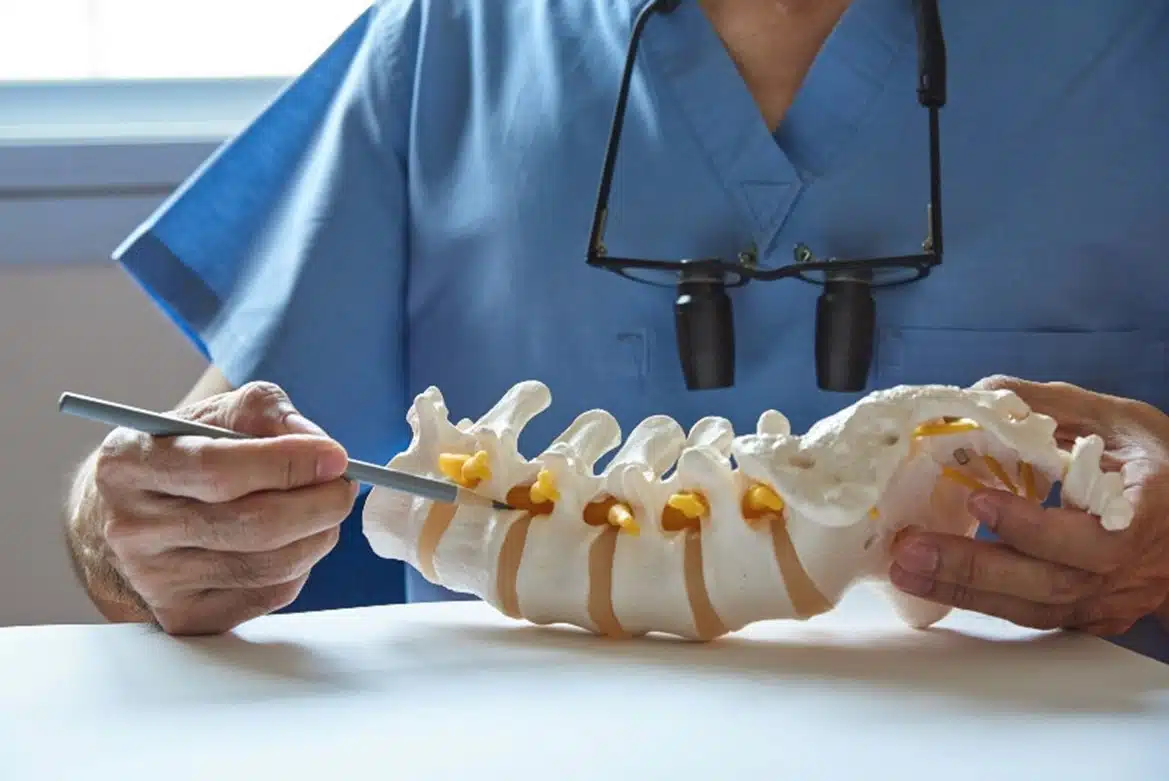
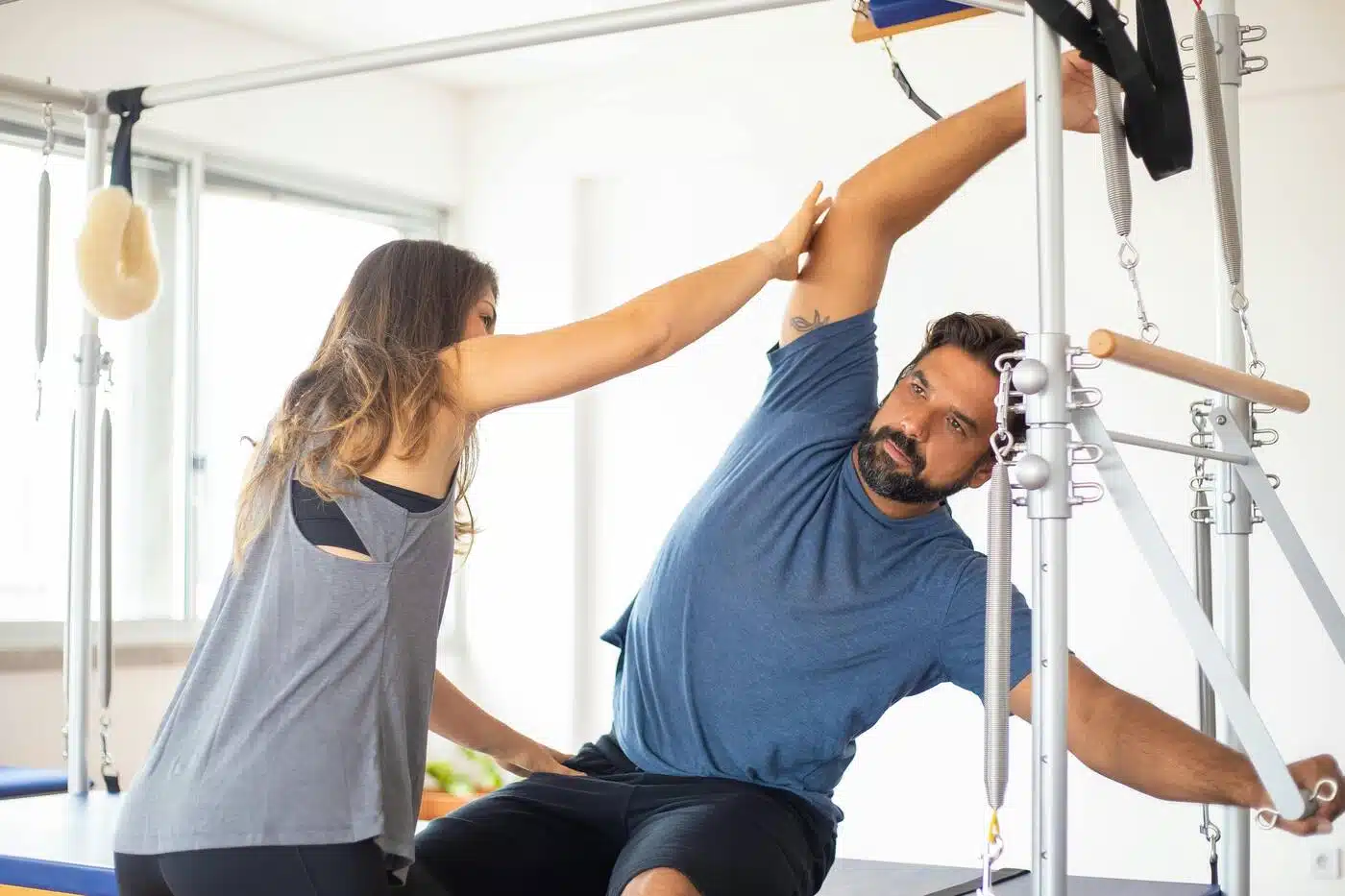
January 5, 2012 — Spinal manipulation therapy (SMT) and exercises that patients can learn to do at home are more effective than medication for relieving neck pain, both in the short and long term, according to results from a new study published in the January 3, 2012, issue of the Annals of Internal Medicine.

However, the results of this trial are not going to be applicable to all patients, lead author Gert Bronfort, DC, PhD, from the Wolfe-Harris Center for Clinical Studies, Northwestern Health Sciences University, Bloomington, Minnesota, told Medscape Medical News.

“You have to individualize the treatment,” he said. “It has a lot to do with where the patients are in their history of neck pain, what they’ve experienced in the past, and what their preferences are, but at least these treatments represent some viable options that can be offered to patients.”

Dr. Bronfort said that he and his team believed that spinal manipulation would be better than medication for improving neck pain, at least in the short term, based on their past experience. However, they were surprised to find that the home exercise program turned out to be just as successful, he admitted.

“The home program involved a couple hours of instruction in self-care and specific neck exercises, where patients were taught how to avoid certain postures, such as sleeping and working postures, that would aggravate their neck pain,” he explained.

Nonspecific Neck Pain

In the study, 272 patients aged 18 to 65 years who had nonspecific neck pain for 2 to 12 weeks were randomly assigned to receive 12 weeks of spinal manipulation therapy, medication, or home exercise with advice. The spinal manipulation therapy was given by 5 chiropractors who were well trained and experienced in the procedure, Dr. Bronfort said.

Medication was provided by licensed medical physicians, with a focus on prescription drugs. First-line therapy was nonsteroidal anti-inflammatory drugs, acetaminophen, or both, the authors note. Those patients who did not respond or could not tolerate the first-line therapy received narcotic medications. Muscle relaxants were also used, and advice to stay active or modify activity was given as needed. “The choice of medications and number of visits was made by the physician on the basis of the participant’s history and response to treatment,” the authors write.

Pain, as reported by the study participants, was measured at 2, 4, 8, 12, 26, and 52 weeks.

Results showed that spinal manipulation had a statistically significant advantage over medication after 8, 12, 26, and 52 weeks (P < .010), and that home exercise was superior to medication at 26 weeks (P = .02). No important differences in pain were found between spinal manipulation therapy and home exercises at any time.

Patients who received spinal manipulation therapy or home exercises also reported similar improvements in self-reported disability, medication use, general health status, and adverse events. However, patients said they were more satisfied with spinal manipulation than with home exercise.

With regard to adverse effects, 40% of the spinal manipulation group and 46% of the home exercise group reported adverse events. The most common was musculoskeletal pain, and less frequently they experienced paresthesia, stiffness, headache, and crepitus.

Among patients randomly assigned to the medication group, 60% reported adverse effects. The most common were gastrointestinal symptoms and drowsiness, followed by dry mouth, cognitive disturbances, rash, congestion, and disturbed sleep.

Dr. Bronfort pointed out that patients could not be blinded in this study, and that this was an important limitation. He also suggested that participants who received spinal manipulation may have been more likely to experience improvement in their neck pain and be more satisfied with their care because they had more frequent interactions with their care providers.

“When we started the study there was really not very much scientific evidence to support any treatment, really,” he said. “You would think that neck pain would disappear by itself, and it does in a number of patients, but about half will go on to have chronic or sporadic neck pain, even a year later. What we don’t know is to what extent spinal manipulation or home exercise can prevent more chronic conditions, and this is something that we need to find out.”

Pragmatic Trials

In an accompanying editorial, Bruce F. Walker, DC, MPH, DrPH, from Murdoch University, Perth, and Simon D. French, PhD, from the University of Melbourne, both in Australia, point out that the 3 therapies in this study were not compared with a placebo or sham therapy. Such comparisons would have provided more convincing evidence of effectiveness, they write.

A cost analysis would also have been useful, they add, and they point out that neck manipulation has the potential for a rare, but potentially catastrophic, risk for vertebral artery stroke, and warn that patients should be advised of this possibility.

“Pragmatic trials, such as the one by Bronfort and colleagues, have their place in answering important questions about current treatment approaches, but we need innovative studies that explore which treatments benefit which of the many people who experience disabling neck pain,” the editorialists conclude.

This study was funded by the National Center for Complementary and Alternative Medicine, National Institutes of Health. Dr. Bronfort, Dr. Walker, and Dr. French have disclosed no relevant financial relationships.

Ann Intern Med. 2012;156:1-10, 52-53. Article abstract, Editorial extract

Posted in Health Care Article | Leave a comment

We’re Hiring!

We are hiring folks! Visit our Jobs page on our website to view our current employment opportunities.

http://spineandrehab.com/jobs.html

Posted in HSRC Event | Tagged | Leave a comment

Ice Massage for Back Pain Relief

In a world of sophisticated medical care, a simple ice massage can still be one of the more effective, proven methods to treat a sore lower back or neck. It is effective when used either alone or in combination with other treatments.
For patients experiencing back pain, ice massage therapy is quick, free, easy to do, and it can provide significant relief for many types of back pain, and is especially effective for a sore back caused by lower back muscle strain.
Ice massages can help provide relief for back pain in a number of ways:
Ice application slows the inflammation and swelling that occurs after injury. Most back pain is accompanied by some type of inflammation, and addressing the inflammation helps reduce the pain
Ice numbs sore tissues (providing pain relief similar to a local anesthetic)
Ice application slows the nerve impulses in the area, which interrupts the pain-spasm reaction between the nerves
Icing decreases tissue damage

The massage adds the beneficial effects of gentle manipulation of the soft tissues
Ice massage therapy is most effective if it is applied as soon as possible after the injury occurs, usually within 24 to 48 hours. The cold makes the veins in the tissues contract, reducing circulation. Once the cold is removed, the veins overcompensate and dilate and blood rushes into the area. The infusion of blood in the area brings with it the necessary nutrients to help the injured back muscles, ligaments and tendons to heal.
Article continues below

While any form of applying cold to the injured area – such as a bag of ice wrapped in a towel or a commercial ice pack – should be helpful, combining massage with ice application is a nice alternative for pain relief.

Most episodes of lower back pain are caused by muscle strain. The large paired muscles in the low back (erector spinae) help hold up the spine, and with an injury the muscles can become inflamed and spasm, causing low back pain and significant stiffness.
Common causes of muscle strain of the large back muscles include: a sudden movement, an awkward fall, lifting a heavy object (using the back muscles), or a sports-related injury. Any strain accompanied by a twisting motion is more likely to hurt the lower back muscles and cause pain.

While it sounds like a simple injury, a muscle strain can result in a surprising amount of pain. In fact, this type of injury is one of the most common reasons people go to the emergency room. However, not much can be done for a strained back muscle except for a short period of rest (for up to two days), pain relief medications and/or anti-inflammatory medications, and to apply ice and/or heat.
This article focuses how and to use ice massage therapy for quick relief of back pain caused by muscle strain.

Posted in Health Care Article | Tagged , | Leave a comment

Business After Hours – October 2011

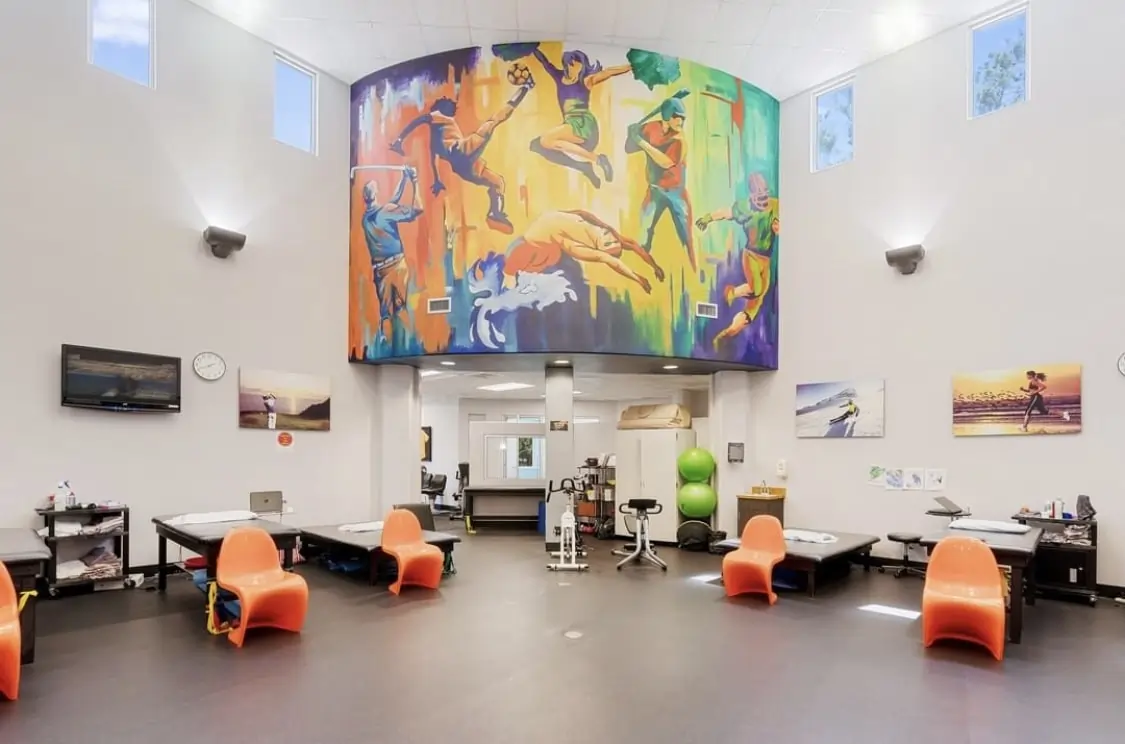
The Houston Spine & Rehabilitation Centers (HSRC) team of Doctors and professionals hosted the South Montgomery County Chamber of Commerce Business After Hours Event on October 11th. Over 120 Chamber members & guests came out to see the first-class rehabilitation facility. HSRC was please to host the event and mingle with all the visitors who came out to enjoy the evening.

Posted in Community News, HSRC Event | Tagged , , | Leave a comment

Have you seen our Billboard?

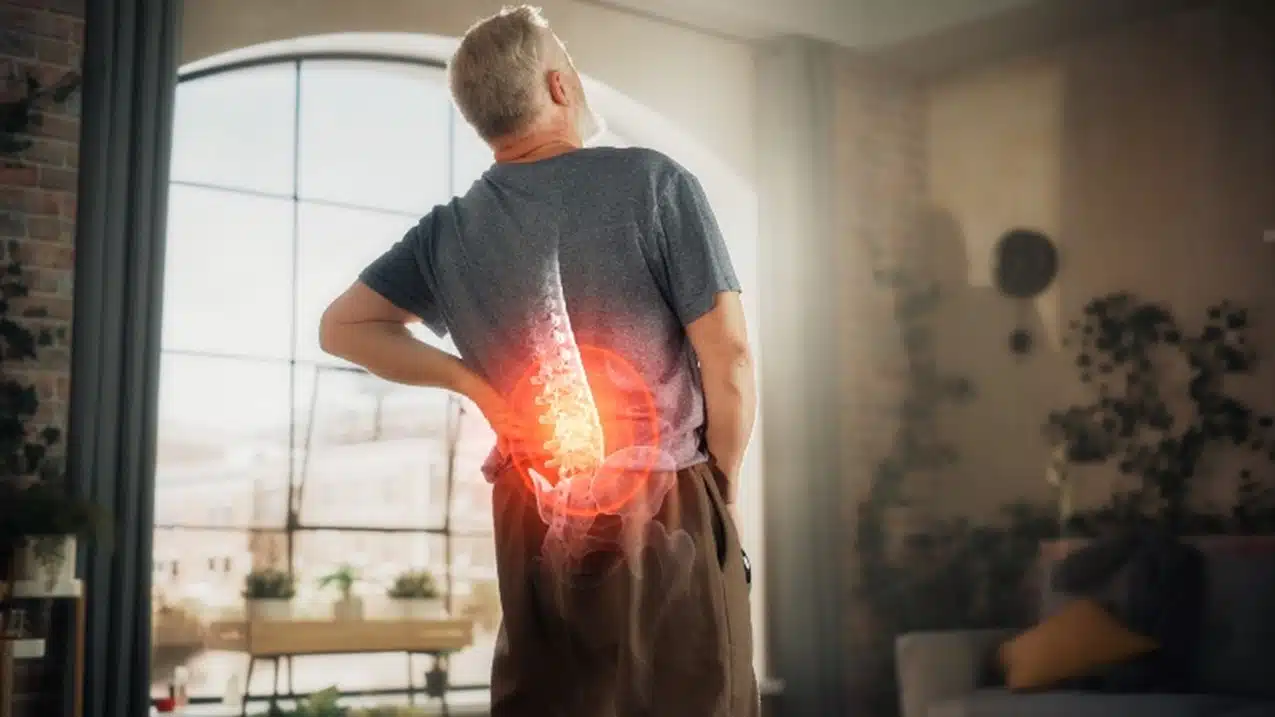
So you have been driving down I-45 North, and to your right you see….what is that? Is that a bird, a plane, no..that’s the amazing Billboard for Houston Spine and Rehabilitation Centers! 80% of American’s suffer from some sort of back pain! Stop your suffering today! Neck and Back Pain suffers, we are the answer!

Posted in Community News, Press Release | Leave a comment

Sugar Land Clinic Ribbon Cutting with Fort Bend Chamber of Commerce

This gallery contains 6 photos.

The Houston Spine & Rehabilitation Centers hosted the Fort Bend Chamber of Commerce for our community Ribbon Cutting.

More Galleries | Leave a comment

LSC-Montgomery’s “Healthier U” Event Raises $24,000 for Scholarships – HSRC Platinum Sponsor

After 14 years, the heart of Lone Star College-Montgomery’s “Healthier U Wellness Expo & Job Fair” is still beating strong, having raised $24,000 for student scholarships this month at the annual event.

“We’re grateful for our 50 sponsors and the many participants who, in spite of the economy, were able to make this year’s event a huge success,” said Mary Rush, division operations manager and Healthier U coordinator. “Because of their support, many students in health-related and other programs will have the opportunity to continue their education.”

Healthier U took place April 6-8. Forty-five non-profit and for-profit businesses and organizations were on display at the wellness expo, showing interactive demonstrations and providing health-related information. There were also 12 employers searching for candidates at the job fair.

In addition to the wellness expo and job fair, the event included a heart-healthy chili cook-off and sweets bake-off, a multimedia sale, a silent auction, a golf tournament and, for the first time, a blood drive, sponsored by the Gulf Coast Regional Blood Center, where 50 people donated blood.

Healthier U is an annual LSC-Montgomery event focused on raising scholarship funds that benefit students primarily in the college’s nursing, medical radiologic technology, physical therapist assistant, fire science technology, and emergency medical services programs.

The proceeds generated this year will allow the organization to begin a fourth $1,000 endowed scholarship that will be awarded to students in perpetuity. This is in addition to the approximately 25 to 35 $500 scholarships awarded by the organization each year and the three previously funded endowed scholarships of $1,000.

“Healthier U is a team effort, supported by faculty, staff, and the community,” said Rush. “Even the students are a huge part of this scholarship fundraiser. This year alone, more than 145 volunteered to help at the event.”

“We were proud to be the Platinum Sponsor of such a great event. We are excited to have a continual commitment to the success of the event and provide more resources for the health-related programs at LSC-Montgomery. We understand the importance of providing such a viable resource to our community.,” said Phil Sanchez; Marketing Director – The Houston Spine & Rehabilitation Centers

Posted in Community News, Health Care Article, Press Release | Leave a comment

We graced the cover of reviewit magazine!

We graced the cover of reviewit Magazine! View the entire issue here!

View digital issue here

Posted in Community News, Press Release | Leave a comment

Got an Iphone? Check out the HSRC Iphone App!

We’ve Got Your Back Application

The next time you visit your one of our clinics; use our app to enter your appointments, time/date/type and notes. We’ve Got Your Back stores all your appointments in your own database in which you can keep track of all your visits. Touch your pain area and get common issues, stretches to relieve your pain area, and watch videos on how to perform the stretch properly. Allow yourself to map one of clinics that is closest to you. Follow us on our Facebook, or view our Youtube Videos right from the application.

You can visit our website for download at www.spineandrehab.com/app

Posted in Community News | Leave a comment

Brian Ching gives a mahalo to the staff at HSRC

Check out the video of Brian Ching give a mahalo to the staff at The Houston Spine & Rehabilitation Centers

Posted in Video | Leave a comment